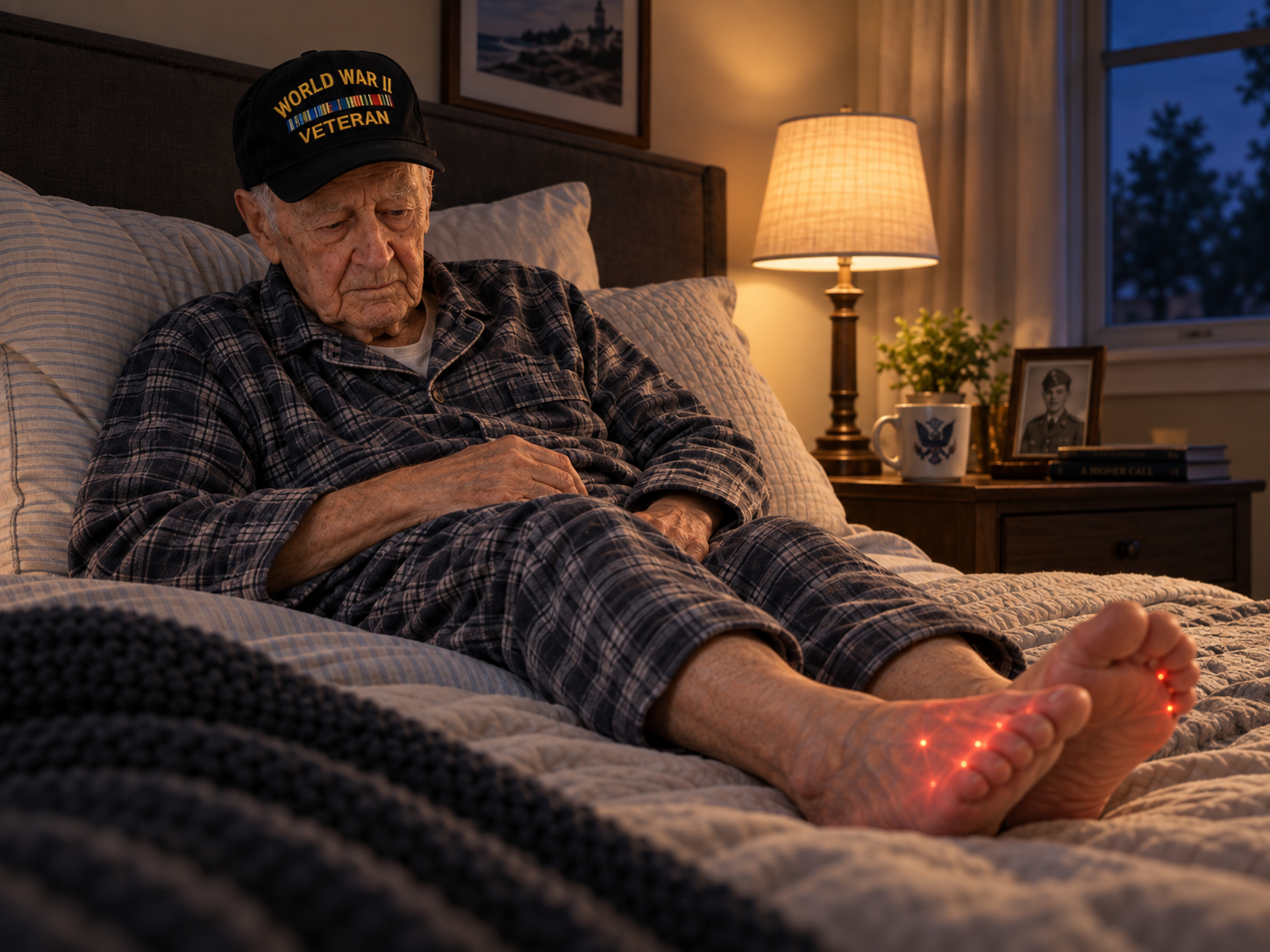
For many people living with peripheral neuropathy, nighttime is when burning, tingling and sensitivity become hardest to ignore.
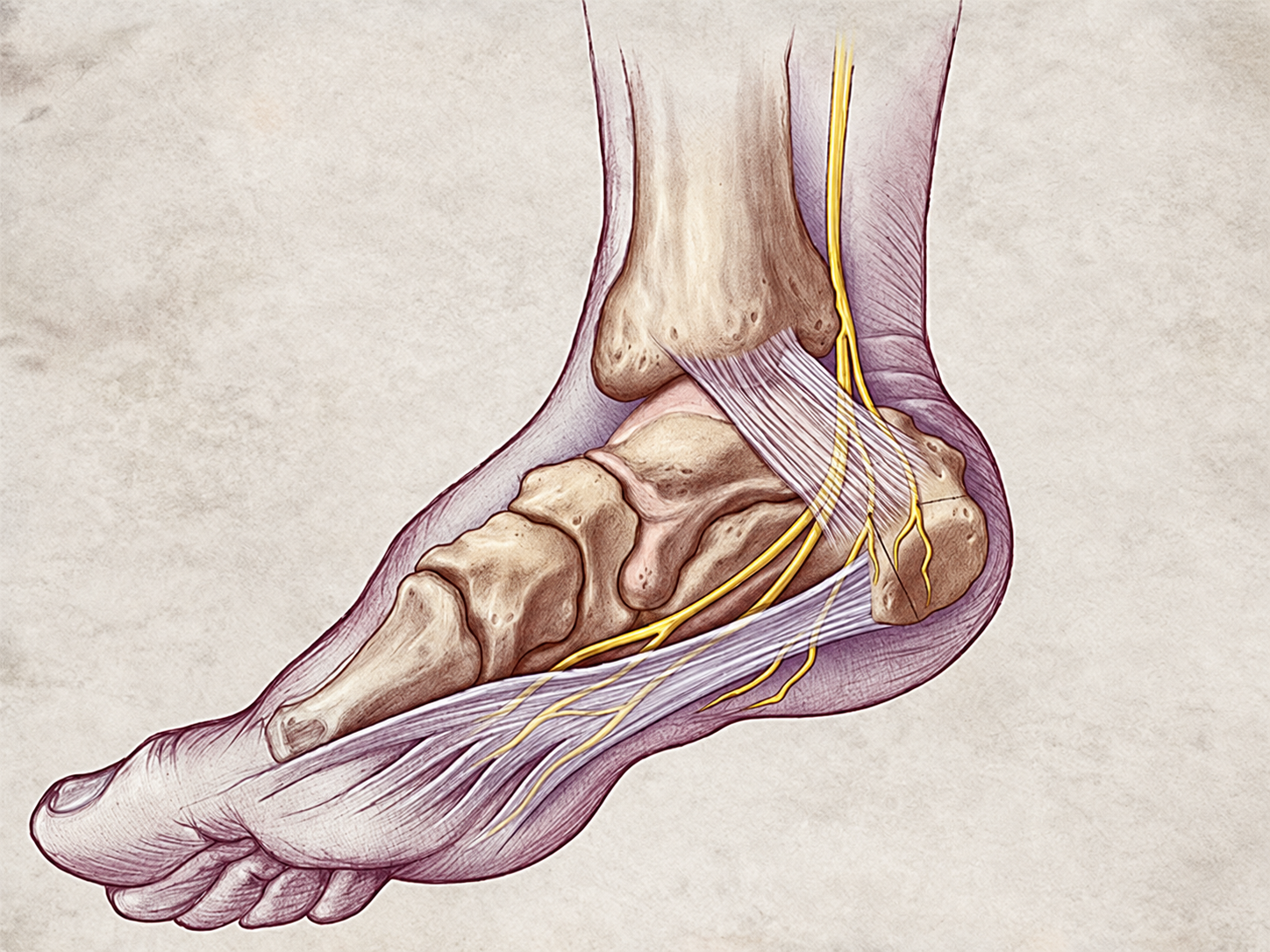
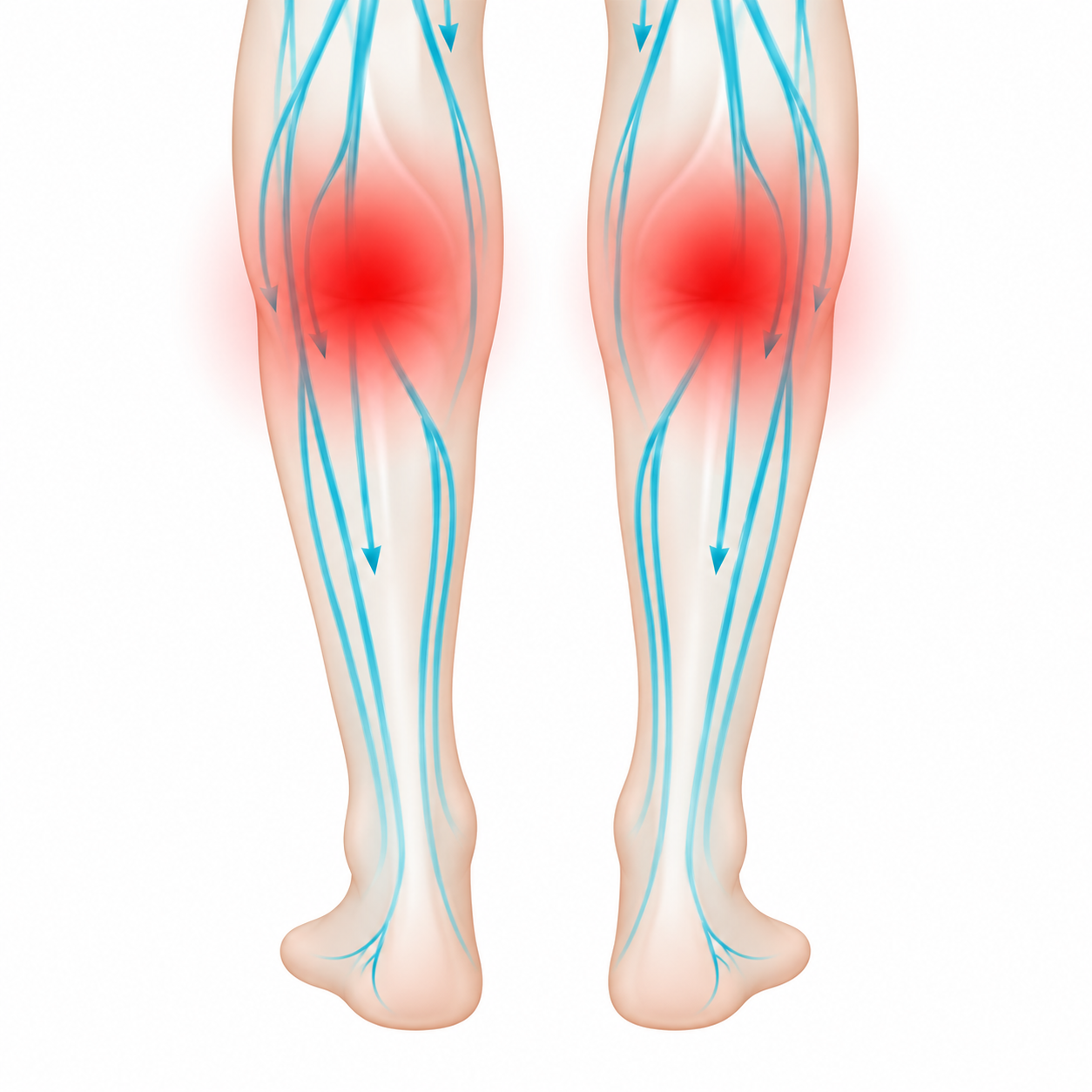
If you live with peripheral neuropathy, you already know it doesn't always feel like ordinary pain. Some nights your feet may burn; other times they may tingle, feel unusually numb, or produce strange pins-and-needles and electric-shock sensations.
For some people, even the light touch of a bedsheet against the toes can become irritating. The sensation may change from one day to the next, but the frustration is often the same: it keeps coming back.
That's when the familiar cycle can begin. Another cream, another pair of special socks, another vitamin or another piece of advice that promises to make the feet feel different. Sometimes something provides temporary comfort. Sometimes it doesn't seem to change much at all.
Over the past several months, however, we began noticing growing attention around something very different: a so-called "30-second Japanese morning routine" being discussed by older Americans dealing with burning, tingling and numb feet.
Some people dismissed it immediately as another internet health trend. Others said it wasn't the routine itself that caught their attention, but the explanation behind it.
So we decided to take a closer look.
And what we found led to an important distinction: what you feel in your feet may not tell you the whole story about what is affecting the nerve.
The Part Most People Never Hear Explained

We spoke with a nerve-health expert to separate established biology from some of the more dramatic claims circulating online.
During our conversation, health correspondent Sharyn brought up something many people with neuropathy already recognize: treatments and home remedies often focus first on the sensation itself.
The specialist explained that burning, tingling and numbness indicate that the nerves are producing or transmitting abnormal signals, but those symptoms alone do not necessarily reveal why the nerve is behaving that way.
Peripheral neuropathy can develop for many reasons, including metabolic conditions, nutritional deficiencies, medication effects, nerve compression and other medical problems. That is also why a single "miracle solution" cannot reasonably be expected to address every case.

The specialist put the distinction simply:
For example, something that temporarily creates a cooling sensation may make the feet feel different without necessarily changing the underlying factor producing the nerve symptoms.
That distinction became the central idea behind the rest of our investigation.
If you've tried several approaches without getting the comfort you hoped for, that does not automatically mean you did something wrong.
It may simply mean that focusing on the sensation is only one part of a much larger nerve-health picture.
How the Story Eventually Led to Japan
The scientific connection being discussed online traces back to Japanese research into autophagy, one of the natural processes cells use to break down and recycle damaged or unnecessary cellular components.
Research into the mechanisms of autophagy became influential enough to receive the Nobel Prize in Physiology or Medicine.
There is an important distinction, however: the Nobel Prize was not awarded for a neuropathy treatment, nor does autophagy research prove that a simple kitchen routine can magically repair damaged nerves.
What the research did help scientists understand more clearly is that human cells possess sophisticated systems involved in maintenance, recycling and the management of cellular stress.
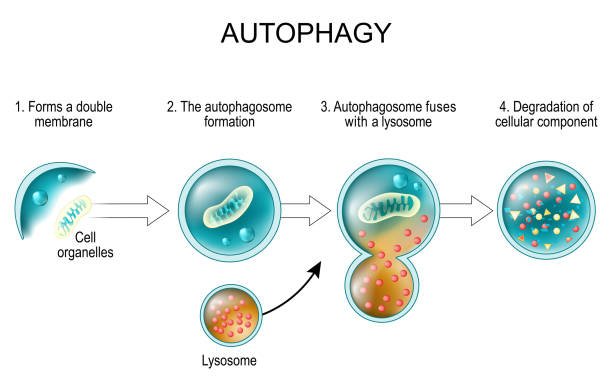
Autophagy is commonly described as part of the cell's natural maintenance and recycling system.
The easiest way to visualize the concept is to imagine a busy workshop. Equipment is constantly being used, repaired and replaced, while damaged material has to be removed or recycled to keep the environment functioning properly.
The nervous system is obviously far more complex than that analogy, and neuropathy can have many different causes. But the concept helps explain why scientists remain interested in cellular maintenance, metabolic stress and other processes involved in healthy nerve function.
This scientific connection is what eventually became associated online with the unusual morning routine.
Then We Heard Benjamin Silver's Story

Benjamin Silver, a U.S. military veteran, understood the frustration of persistent nerve symptoms well.
For him, nighttime was often the hardest part. Some evenings his feet felt unusually hot and sensitive; at other times the dominant sensation was numbness or tingling. Even getting comfortable in bed could become frustrating when his attention kept returning to his feet.
After years of hearing about different approaches to neuropathy, Benjamin had also become skeptical of new claims. So when he first heard someone mention a "Japanese morning routine," his reaction wasn't excitement.
What eventually caught his attention was not a promise of instant results. It was the explanation that came before the routine.
Instead of simply claiming that another ingredient could make his feet feel different, the discussion focused on the distinction between the symptoms he could feel and the broader factors involved in nerve health.
For Benjamin, that was enough to make him continue listening.

Benjamin described his goals in much simpler terms than the dramatic "before-and-after" promises commonly seen online. He wanted ordinary parts of his day to require less thought about his feet: getting comfortable at night, walking through a store, putting on shoes or simply moving around without constantly monitoring every sensation.
That is an important part of the neuropathy experience that numbers alone do not always capture.
For many people, the real frustration is not just the discomfort itself. It's how often that discomfort manages to demand attention.
The Routine Looked Almost Too Simple
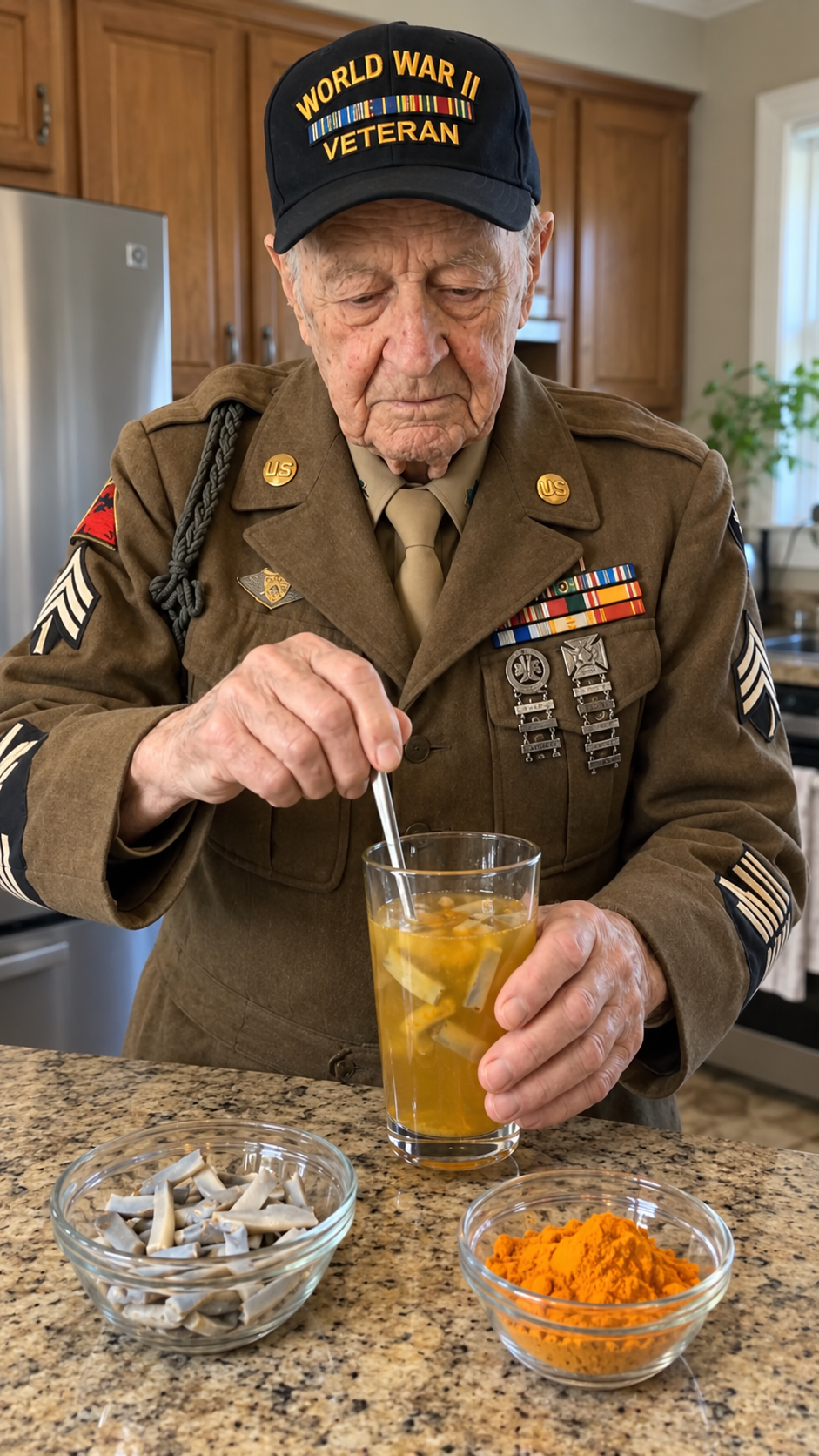
Benjamin's first reaction to the routine was skepticism, largely because it looked so ordinary.
When Benjamin finally saw the routine, he was surprised by how simple it appeared. There was no complicated device or elaborate preparation — just a glass, a few ordinary components and a short morning process.
And that simplicity is precisely where many of the short clips circulating online become misleading.
A photograph can show you what is sitting on the counter, but it cannot explain why the components were selected, how they are prepared, what quantities are being discussed or why timing is considered part of the routine.
Most importantly, a screenshot cannot explain where the Japanese scientific connection actually begins — or where some of the internet hype goes beyond what the science can support.
That missing context is what makes the routine more interesting than the viral images alone suggest.
What the Viral Clips Leave Out

During the final part of our conversation, the specialist emphasized that people should understand the reasoning before blindly copying a health routine they find on social media.
The short presentation below was created to show the routine step by step, explain the purpose attributed to each part, clarify the Japanese research connection and distinguish the underlying scientific concepts from some of the more exaggerated claims circulating online.
In other words, the glass and ingredients are only the visible part of the story.
The explanation is what most short posts leave out.
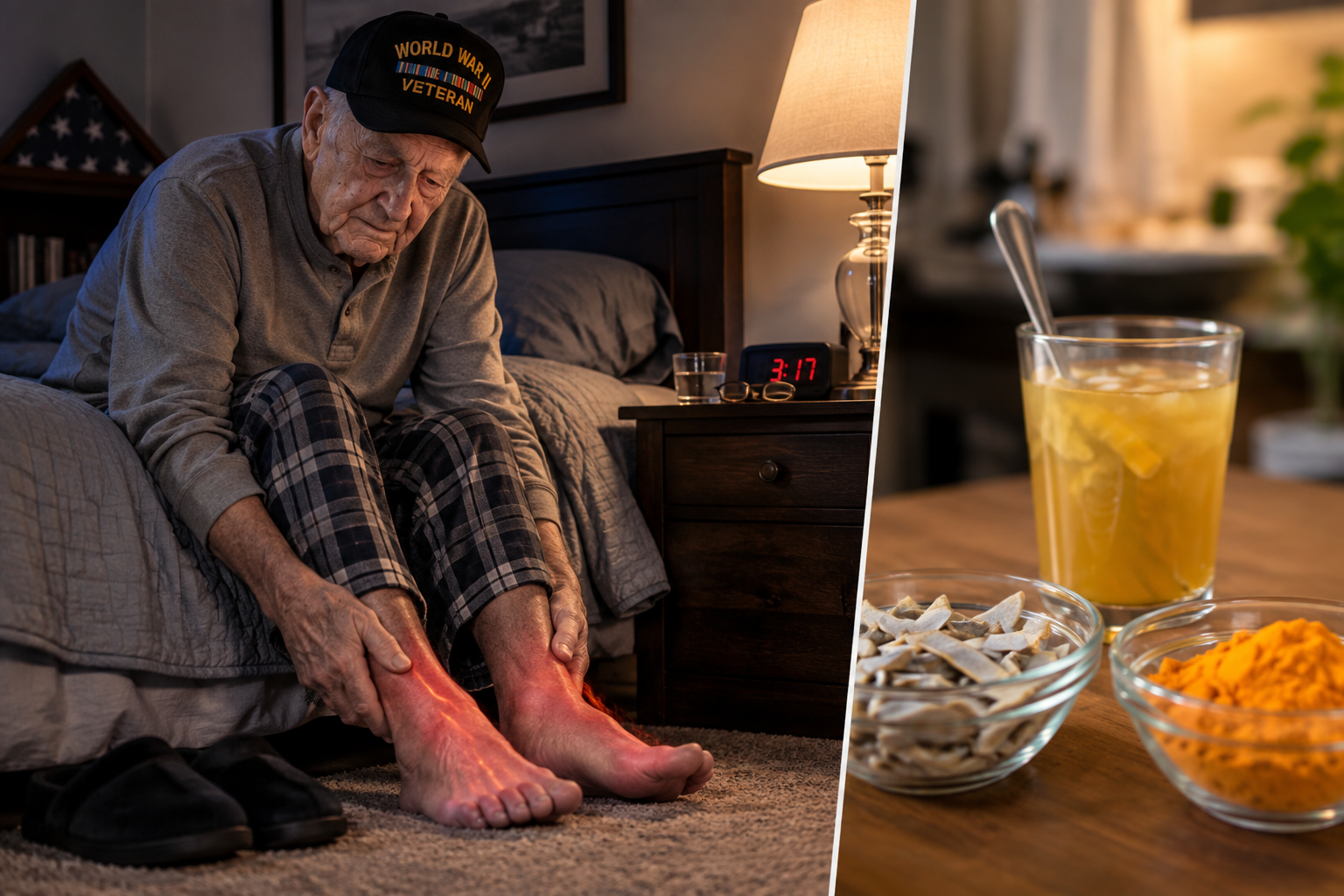 ▶ SEE THE 30-SECOND MORNING ROUTINE
Educational presentation. Peripheral neuropathy has many possible causes, and individual experiences vary.
Real People. Real Experiences.



The 7-Second Morning Stretch That Rebuilds Cartilage (Harvard Study)
Why Doctors Are Shocked By This $5 Kitchen Staple Reversing Blood Sugar Spikes

Yale Neuroscientist: "This 10-Second Memory Exercise Beats Any Brain Game"





This post is no longer receiving comments.